

Purchasing a new-to-you used vehicle can be a daunting process. As such a large investment, it’s important to consider all of the relevant factors that may be affecting the vehicle you’re considering for purchase.
Having a plan and exercising diligence while in the car-buying process can not only make the initial purchase much easier, but it can also help protect you from ending up with unforeseen mechanical issues under the hood down the line.
In this article, we’ll go over some of the best steps you can take as a used vehicle shopper that will help you find the perfect vehicle for you and your budget.
Consider True Ownership Costs
While it might be easy to scroll Facebook Marketplace or dealership websites and find a variety of vehicles within your budget, it’s important to consider the extra costs beyond the sticker price that accumulate when purchasing a used car.
For one, purchasing a vehicle means you’ll need to pay the appropriate sales tax along with title transfer and registration fees. The exact cost of these fees will vary based on the location of purchase, price, and the age of the vehicle. This information can generally be found on your state government’s website.
Following these initial expenses, you also need to consider the long-term maintenance costs of the vehicle. Though many models may fall squarely within your price range up front, not every vehicle will be equal in operating expenses and could spell trouble for you later on if not factored into the purchasing decision.
For example, it’s common to find used European cars that have depreciated to or below the price of a comparable Japanese option. Though both may cost the same to drive off the lot, European vehicles generally require more frequent and more costly maintenance and repairs due to their increased complexity.
If purchasing a vehicle with known failure points or a finicky drivetrain, it’s crucial to ensure you have the time and financial means to keep up with the required maintenance.
External Visual Inspection
When meeting the seller and viewing the vehicle in person for the first time, there are a few quick things you can check on the exterior of the vehicle that could give you valuable information on its condition without even needing to pop the hood.
Take a quick peek at the undercarriage of the vehicle and look for signs of excess rust and corrosion, especially in areas where rain and snow are common and where road salt is used for ice prevention. If you notice a considerable amount of rust or any damage to the frame of the vehicle, it may be a good idea to continue looking for a cleaner example of that model. As corrosion spreads, the metal frame will begin to lose rigidity and structural integrity, and the problem will only worsen without the complete repair or replacement of the affected area.
Other quick things to look for include the condition of the paint and body panels, the amount of tread remaining on the tires, rips or wear in the interior, and any chips or cracks on the windows or windshield. Any problems or discrepancies found now can be used to negotiate the price of the vehicle, especially if not stated in the vehicle’s listing.
Take It For a Test Drive
Although going to see the vehicle in person can give you a good understanding of the vehicle’s aesthetic and external condition, taking an in-depth test drive is the only way to rule out a number of potential issues and failure points.
When taking the vehicle out for the first time, it’s important to keep your eyes and ears peeled for any odd or disconcerting sights, sounds, or feelings. Some of the most crucial issues to check for while driving the vehicle include:
- Slow, delayed, or harsh shifting
- Ticking, grinding, or squealing noises from under the hood
- Unusual sounds or vibrations while under braking
- Squeaking, bouncy, or lopsided suspension
- Odors of fuel, burning oil, coolant, or otherwise unusual smells
- Dead/inoperable headlights, brake lights, tail lights, etc.
- High reading on temperature gauge
Have The Vehicle Professionally Inspected
While looking under the hood and taking a test drive can provide you with some helpful information on the immediate condition of the vehicle, many potential failure points and problem areas can only be uncovered with a more in-depth inspection.
This is where pre-purchase inspections (PPIs) come into play! Taking the vehicle to a trusted auto shop prior to purchasing it gives you an opportunity to have the most important systems of the vehicle inspected, alerting you of current or future mechanical and electrical issues that may have been glossed over or omitted in the vehicle’s listing.
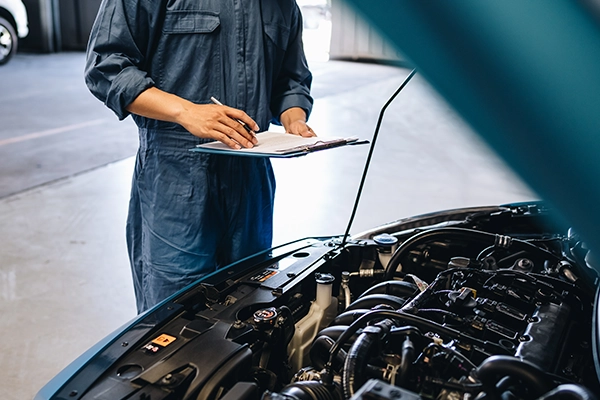
Although getting a PPI means you’ll need to pay for the inspection up front, the information you receive regarding the vehicle could save you thousands down the line. Some PPI results may suggest the car is too problematic to be worth the purchase at all, saving you from a bad investment, while others may uncover smaller issues that can be used to negotiate down the price of the vehicle.
Negotiate a Fair Price
Now that you have a good amount of information on the condition of the vehicle, it’s time to start negotiating. Talking money can be an uncomfortable situation for some buyers, however, going into negotiations with a plan can make the whole experience much simpler and efficient.
Prior to going to see the vehicle, research the prices of similar examples with comparable condition, options, and miles. This will give you a reference price range that you can use to assess whether or not you’re getting a good deal.
Pick an amount that you consider the top of your budget, but avoid telling the seller this number just yet. Adjust this amount in your head as you inspect and test drive the vehicle, and choose what you think is a fair price based on any issues you notice.
When negotiating the cost with the seller, reference the price research you may have done on Kelly Blue Book or classified sites, as well as any issues you took note of. Start the negotiations a little lower than the price you think is fair, which gives you a bit of leeway if the seller wants to meet somewhere in the middle.
If you and the seller agree on a price that sounds fair for the condition of the vehicle, and is similar to the average price of the same models online, you’ve probably found yourself a fair deal.
Pre-Purchase Inspections in Clackamas
If you’re in the market for a used vehicle, don’t let omitted information or unforeseen issues turn your next investment into a money pit. Take the vehicle by Same Day Auto Service in Clackamas, Oregon for an in-depth pre-purchase inspection from our expert technicians before pulling the trigger. Our team will provide extensive insight into the condition of the vehicle’s most important systems, ranging from brakes and fluid condition to the health of the transmission and powertrain. Give us a call or schedule online today to secure your PPI appointment with our ASE-Certified technicians!