


Have you noticed you’ve been filling up your tank more than usual? Many drivers run into decreased MPG, but what causes the problem in the first place? In this article, we’ll be going over the causes of low MPG in your vehicle and what changes you can make to improve your vehicle’s gas mileage.
Driving Habits
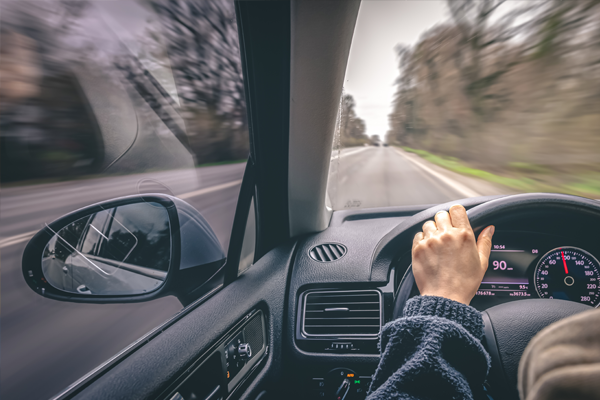
Short commutes, aggressive driving, rapid acceleration, excessive speeding, hard braking, and prolonged idling can decrease MPG significantly. By making conscious efforts to drive more efficiently, you may improve your gas mileage and reduce fuel costs.
Low Tire Pressure
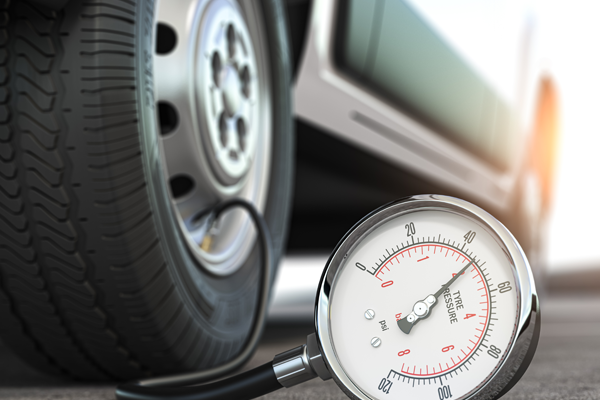
Many drivers neglect the simple task of ensuring proper tire pressure, but it actually has a major effect on your vehicle’s MPG. Low-pressure tires are a common cause of worsening MPG because an underinflated tire has increased rolling resistance with the road and a slightly smaller effective diameter. One of the easiest ways to keep your fuel efficiency up is to regularly check your tire pressure and top up as needed.
Bad Wheel Alignment
If you’ve been driving with a steering wheel that doesn’t sit straight, chances are your wheel alignment is costing you money at the pump. Misaligned tires can create additional friction on the road. This extra resistance forces your engine to consume more fuel to maintain speed. Additionally, uneven tire wear can further decrease your vehicle’s fuel economy over time. It’s essential to rotate your tires regularly to prevent uneven tire wear.
Dirty Sensors
Dirty Oxygen Sensor
Oxygen sensors monitor the correct amount of oxygen in your exhaust gases and send a signal to the car’s computer, which then adjusts the air-fuel ratio. If the oxygen sensor is dirty, it can lead to incorrect readings, causing your engine to burn too much fuel and lowering MPG efficiency.
Dirty Mass Airflow Sensor
Mass airflow sensors measure the amount of air flowing into the engine. Like an oxygen sensor, the mass airflow sensor sends data to the onboard computer to calculate the correct air-to-fuel ratio in the engine, and the computer adjusts fuel injection accordingly.
However, a dirty airflow sensor can cause the car’s computer to miscalculate the proper air-fuel mixture, leading to decreased fuel efficiency or even engine stall. Mass airflow sensors should be very carefully cleaned with a special cleaning spray.
Worn Spark Plugs
If you notice that your car is misfiring or has a rough idle, it’s a good idea to have your spark plugs checked. Spark plugs are responsible for igniting the fuel in your engine, so if they’re not working correctly, your car may have performance issues and waste expensive gasoline. Additionally, if excess unburned fuel exits the combustion chamber, this can damage the catalytic converters.
Excess Weight
Carrying any extra weight forces the engine to use more energy to maintain speed. Heavy cargo, unused roof racks, or unnecessary equipment can all reduce fuel efficiency. Reducin
Fuel System Services at Same Day Auto Service
If you’re experiencing issues with your fuel system or suspect a component is nearing failure, trust the expert technicians at Same Day Auto Service to protect your system from further wear and damage. Our team has extensive training in servicing fuel systems on a variety of makes and models. Give us a call today or schedule online today!